

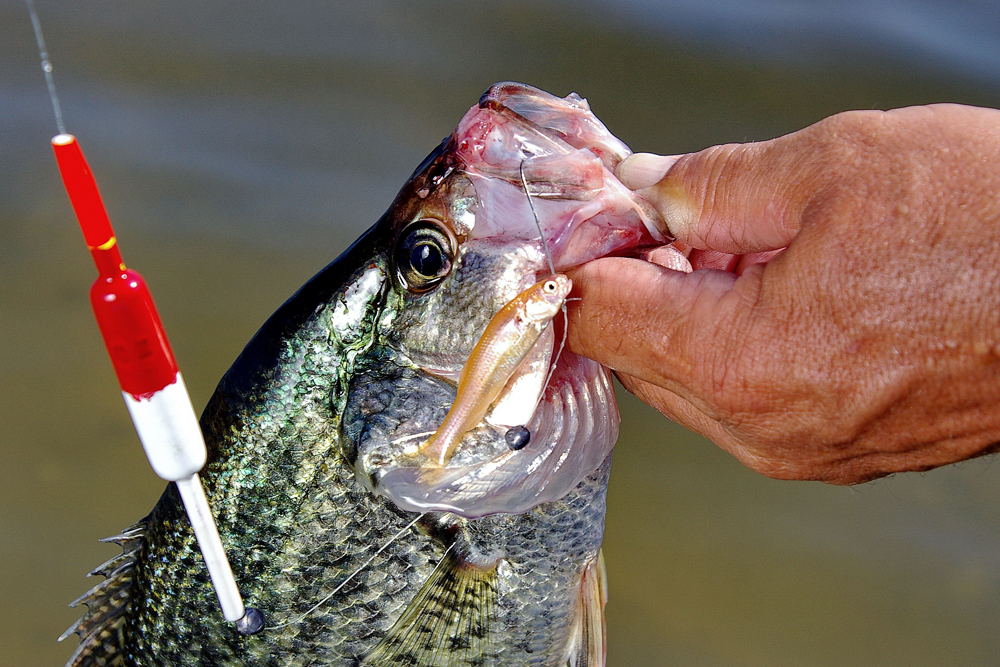
Using lively minnows can mean the difference between catching lots of nice slabs or none.
Keeping Minnows Alive and Lively
Story and photos by Keith Sutton
Minnows are the best natural baits for crappie. No other offering can tempt slabs more consistently than a lively baitfish struggling on the hook. But there’s a catch: dead or sluggish minnows rarely produce the same results as frisky ones.
Unfortunately, many anglers struggle to keep minnows alive for very long. Heat, low oxygen, poor water quality and rough handling can quickly turn a bucket of expensive bait into a floating graveyard. With a little care, however, it’s possible to keep minnows lively for hours or even days.
Hardiness Matters
The first consideration is the type of minnows you buy. Some species simply survive better than others.
Fathead minnows, for example, are extremely hardy, hence their nickname, toughie. They tolerate temperature swings, low oxygen and rough handling better than many other baitfish. Golden shiners are somewhat less durable but still reasonably tough. Emerald shiners, though popular with anglers, tend to be more fragile and require extra care.
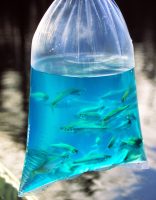
If you have a choice at the bait shop, selecting the hardier varieties can make keeping them alive much easier.
Just as important is choosing healthy minnows. Good baitfish usually have bright coloration, smooth skin and intact fins. They swim actively and often cluster together in tight schools.
Sickly minnows often look darker and may have damaged fins or patches of missing scales. Instead of swimming energetically, they drift around sluggishly or separate from the group. These fish are already stressed and may die before you even reach the lake.
Buying bait from shops that maintain clean, well-aerated tanks greatly improves your odds of getting healthy minnows.
Temperature Control
Extreme temperatures are one of the fastest ways to kill minnows. Sudden changes can be especially deadly.
A common mistake is placing minnows directly on ice or dumping them into water much colder or warmer than the water they came from. Either situation can shock the baitfish and cause rapid die-offs.
Instead, allow the water temperature to change gradually. If you’re transferring minnows to a different container, slowly mix small amounts of water from the new container with the original water until temperatures equalize.
In general, minnows stay healthiest in water between about 50 and 65 degrees. They should be kept cool, but not cold. High temperatures are often just as deadly as extreme cold.
Water Quality and Oxygen
Water quality also plays a major role in keeping bait alive.
Whenever possible, use unchlorinated water from the lake or river you’re fishing, or from a well or rain source. Chlorine in tap water can harm baitfish. If you must use tap water, let it sit overnight so the chlorine dissipates, or add a commercial dechlorinating treatment.
Special bait additives like Sure Life’s Better-Bait minnow holding formula are also available that help neutralize ammonia and other waste products that build up in minnow containers.
Equally important is oxygen. Minnows consume oxygen quickly, particularly when crowded or stressed. If you plan to keep bait more than a few hours, adding aeration is a good idea.
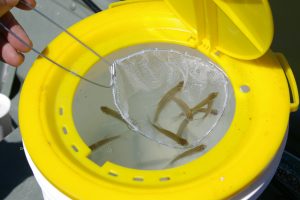
Battery-powered aerators, aerated livewells and trolling buckets designed to circulate fresh water can all help maintain adequate oxygen levels.
Don’t Overcrowd
Overcrowding is another frequent cause of minnow mortality.
A rough guideline is that one gallon of water supports about 12 to 24 small or medium minnows. Larger baitfish require even more space. Because minnows are typically sold in different sizes, keep that in mind when purchasing bait.
Too many fish in too little water quickly leads to depleted oxygen and rising waste levels—both of which shorten the life of your bait.
Choosing the Right Minnow Bucket
The container you use can also influence how long minnows survive. Minnow buckets are commonly made of metal, plastic or Styrofoam.
Many anglers prefer metal or plastic models because they’re durable. Styrofoam buckets, however, often do a better job maintaining cool water temperatures.
In his book “Advanced Crappie Secrets,” noted panfish writer and researcher Steve Wunderle described an experiment comparing Styrofoam, plastic and metal minnow buckets. During warm-weather testin
g, minnows in the Styrofoam buckets survived significantly longer than those in the other containers.
The reason was simple: Styrofoam insulated the water and kept it cooler. In fact, none of the minnows in the Styrofoam buckets died during an eight-hour test period, while about half of those in the plastic and metal containers perished.
Today, many anglers use plastic buckets with foam liners like Frabill’s Insulated Bait Bucket, which combine durability with excellent insulation. These containers help keep bait cool during hot summer days and are sturdy enough for year-round use.
Another option is the trolling-style bucket, designed with a streamlined shape that allows it to be pulled through the water behind a boat or wading angler. Small openings allow fresh water to circulate through the container, naturally aerating the bait. For anglers who move frequently while fishing, these buckets, like the Frabill Flow-Troll and Magic Pro-Troll Bait Bucket, can be very effective.
A Cooler Experiment
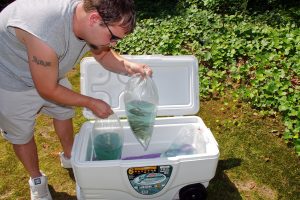
Several years ago, after reading about Wunderle’s work with minnow buckets, I wondered if a well-insulated cooler might keep minnows alive even longer. At the time, I had recently purchased a heavily insulated cooler advertised as capable of holding ice for several days. I had already seen how well it preserved food and drinks during summer camping trips, so I decided to test it with minnows.
At the bait shop, I purchased four bags containing three dozen minnows each. The shop owner filled the bags with water from his tanks, added chemicals to help keep the baitfish healthy and injected oxygen before sealing them.
At home, I placed a two-inch layer of crushed ice in the bottom of the cooler and covered it with a thick towel. The sealed bags of minnows were placed on top of the towel so they wouldn’t rest directly on the ice. I then closed the lid tightly and left the cooler sitting outside in full sun during weather approaching 90 degrees.
To my surprise, the results were impressive. Day after day, the minnows remained alive inside the sealed bags. When I checked them a week later, every single one was still swimming. On the eighth day, however, the minnows finally died—most likely because they had gone more than a week without food.
The experiment convinced me that well-insulated coolers like Coleman’s
Xtreme can be an excellent way to transport and store large numbers of minnows for extended periods.
A Practical System
Today, when I buy minnows for a multi-day fishing trip, I often transport them in sealed oxygenated bags inside a cooler prepared the same way. When I reach the lake, I transfer the bait into a Styrofoam minnow bucket for easy access while fishing. If I expect to stay on the water all day, I sometimes add a small battery-powered aerator for extra oxygen.
Using this system, my minnows often remain lively for several days. That means fewer emergency runs to the bait shop and more time spent catching crappie.
And when your bait stays lively, your chances of catching slabs improve right along with it.
(Keith Sutton serves as editor of CrappieNOW and its sister magazine, CatfishNOW. He lives in Alexander in central Arkansas, just a short drive away from some of the country’s top crappie waters.)
