

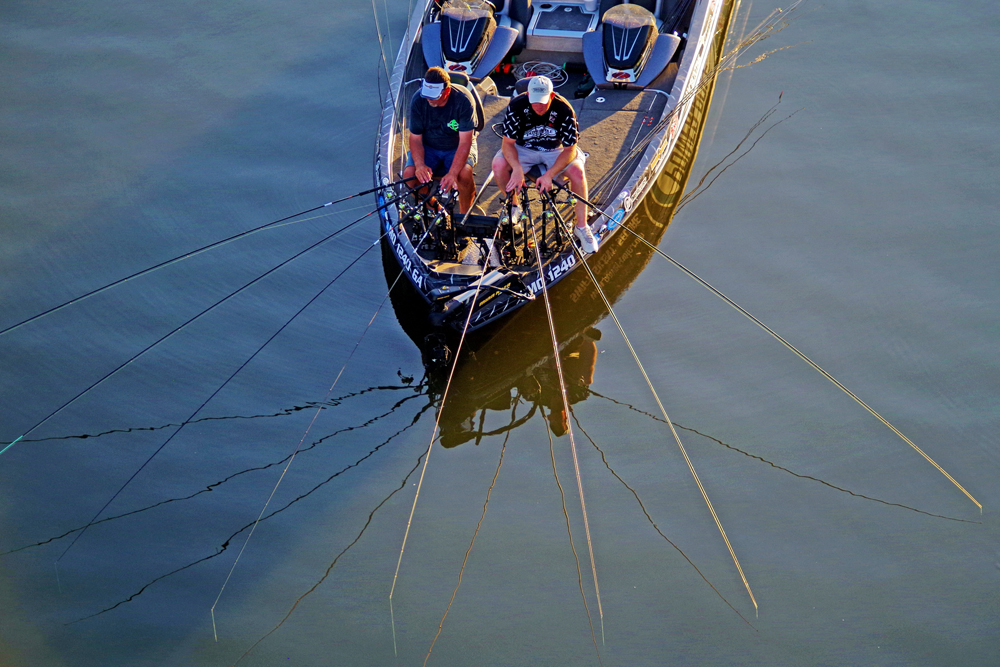
When the crappie bite gets tough, changing the direction of your
presentation can sometimes make all the difference.
Tips for Slow Days
By Bernard Williams
Photos by Keith Sutton
Every crappie fisherman has experienced one of those days. You know exactly what I’m talking about—the days when nothing you try seems to work. You change colors, change depths, change locations, change speeds and sometimes even start questioning everything you thought you knew about catching crappie.
I’ve had plenty of those days myself. Over the years, however, I’ve learned that a slow day doesn’t necessarily have to become a no-fish day. Sometimes one small adjustment can completely change the outcome of a fishing trip.
I’ve compiled a few pointers that have helped me put more fish in the boat when the bite gets tough. This certainly isn’t everything that can be done, and experienced fishermen could probably add plenty to this list. My purpose is simply to offer a few ideas that may have slipped your mind when the fish suddenly stop cooperating.
Try Different Angles
Long-line trolling is my favorite technique above all other methods of crappie fishing.
One thing I’ve discovered—almost by accident—is that sometimes crappie will only hit a lure traveling in a particular direction. You can troll through an area without getting a bite, turn the boat around, come through the exact same area from the opposite direction and suddenly several poles go down.
Why? Current can have a tremendous effect on how fish position themselves and how baitfish move through an area. If baitfish are being pulled out of a creek, for example, try presenting your bait in the same direction the natural forage is traveling.
Crappie are also structure-oriented fish. They relate to ledges, brush piles, stumps, drops and other underwater features. Depending on how they’re positioned around that structure, they simply may not see—or be willing to chase—a bait coming from a particular direction.
Give a productive-looking spot the benefit of the doubt. Approach it from several directions before giving up. Sometimes changing your angle is all it takes.
Stop Second-Guessing Your Game Plan
If you’ve developed a strategy for a particular fishing trip, give it enough time to work before abandoning it.
One of the easiest things to do on a slow day is start second-guessing yourself.
You change locations. Then you change colors. Then depths. Then techniques. Before long, you’ve changed so many things that you don’t know what worked and what didn’t.
Stay focused on things that have produced fish for you under similar conditions. But at the same time, don’t become so stubborn that you ignore what nature is telling you.
If birds are feeding and shad are popping all over the surface, don’t keep fishing deep simply because fishing deep was part of your original plan. There’s a difference between having confidence in your game plan and refusing to adjust.
Give your strategy sufficient time. Then, when the evidence tells you something has changed, make the adjustment.
Watch Your Electronics
Today’s fishermen have almost no excuse for not learning how to use their electronics.
I’m not saying you have to understand every menu, setting and advanced feature. But if you want to consistently catch fish, you should at least understand the basic functions of the electronics on your boat.
Your electronics can tell you the depth, show you structure, identify baitfish and help you determine whether you’re fishing productive water or simply wasting time. Learn what you’re looking at.
There are countless instructional videos available online from electronics manufacturers, professional fishermen and experienced anglers. Many of these videos are excellent training tools.
Having thousands of dollars’ worth of electronics on your boat doesn’t catch fish. Knowing how to use them does.
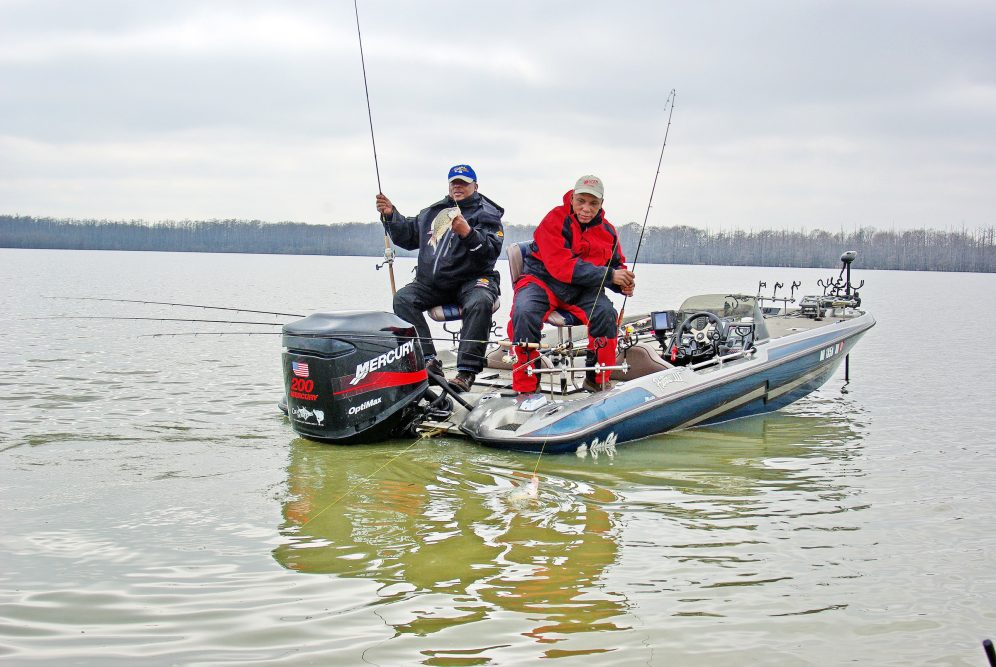
There will always be slow days. Turning those days into successful days
requires making the right adjustments when the fish aren’t cooperating.
Downsize Your Setup
When I’ve gone a long period without catching fish, one of the first things I’ll consider is downsizing.
I may drop from 8-pound line to 6-pound line. I’ll try a smaller minnow, smaller jig or a more subtle presentation.
When crappie are aggressive, they may not care much about those details. But on tough days, those little details can make all the difference.
Sometimes the answer isn’t changing everything you’re doing. Sometimes you simply need to show them a smaller meal.
Speed Up—or Slow Down
I learned this one completely by accident.
I was trolling an area with very little success when I accidentally hit the rabbit button on my trolling motor remote. My trolling speed jumped from around 1 mph to approximately 1.8 mph.
Before I could get the boat back to my normal trolling speed, I looked around and had three poles with fish on them.
Wow! That was what those fish wanted—a fast-moving bait.
I’ve also experienced the exact opposite. I’ve accidentally stopped the trolling motor, causing my baits to suddenly slow down and fall through the water column. Bam! Multiple fish on.
Those experiences taught me an important lesson: don’t assume the speed you’re comfortable fishing is the speed the fish want. Experiment. Speed it up. Slow it down. Stop the bait. Start again.
Sometimes that sudden change triggers a reaction strike from a fish that wasn’t interested seconds earlier.
Use Longer Poles
I’ve learned that longer poles can increase your catch ratio in many trolling situations, especially on slow days.
I’m a longtime fan of B’n’M poles. In my opinion, they make some of the most sensitive, durable and versatile crappie poles on the market.
I’ve used the 16-foot B’n’M BGJP and the 18-foot Pro Staff Trolling poles on tough fishing days and have experienced excellent results compared with shorter setups. Longer poles allow you to spread your baits farther apart, cover a wider section of water and keep presentations farther away from the boat. That can become especially important when crappie are spooky or heavily pressured.
Combined with the newer B’n’M Pro Staff reels, it’s also easy to pull enough line to bring a fish within netting distance.
Sometimes those extra few feet between the boat and your bait can mean the difference between a fish that bites and one that doesn’t.
Pay Attention to the Details
Every avid crappie fisherman could probably add something to this list. That’s exactly the point. The more you fish, the more you learn. And some of the best lessons you’ll ever learn on the water will come on the days when the fish aren’t biting.
Slow down when necessary. Change your angle. Move when you need to move. Trust your game plan, but don’t be afraid to adjust it. Learn your electronics. Downsize your tackle. Experiment with speed.. And don’t overlook something as simple as changing the length of your poles.
Most importantly, pay attention. Watch the water. Watch the birds. Watch the baitfish. Watch your electronics. Notice the wind, current, weather and every little change that takes place around you. Mother Nature is constantly giving fishermen clues. And the better you become at reading those clues, the better fisherman you’ll become.
There will always be slow days. That’s part of fishing. But a slow day doesn’t have to be an unsuccessful day.
Make the adjustments, pay attention to the details, and put a few more crappie in the boat.
(Bernard Williams of Jackson, Mississippi is an avid tournament angler and outdoor writer who regularly shares crappie-fishing techniques, tournament experiences and lessons learned from anglers across the sport.)
